
BlueFocus is undergoing a major structural shift through an AI-led reinvention. CEO Fei Pan highlighted this transition in a recent letter to investors. The company reported 2025 revenue of USD 10.07 billion. Meanwhile, AI-driven revenue reached USD 546.05 million, marking a 210.42% increase. This indicates the firm is moving toward an emerging business infrastructure.
Rebuilding the Agency Model
The firm is shifting its focus away from third-party tools toward its own product stack. At the center of this is BlueAI, a multimodal marketing platform. They have also developed specialized tools, including STARUNION AI for influencer marketing, AdsWin for ad buying, and the Xinying platform for creative production. The ultimate aim is to rebuild their business systems so that every scenario is driven by AI logic.
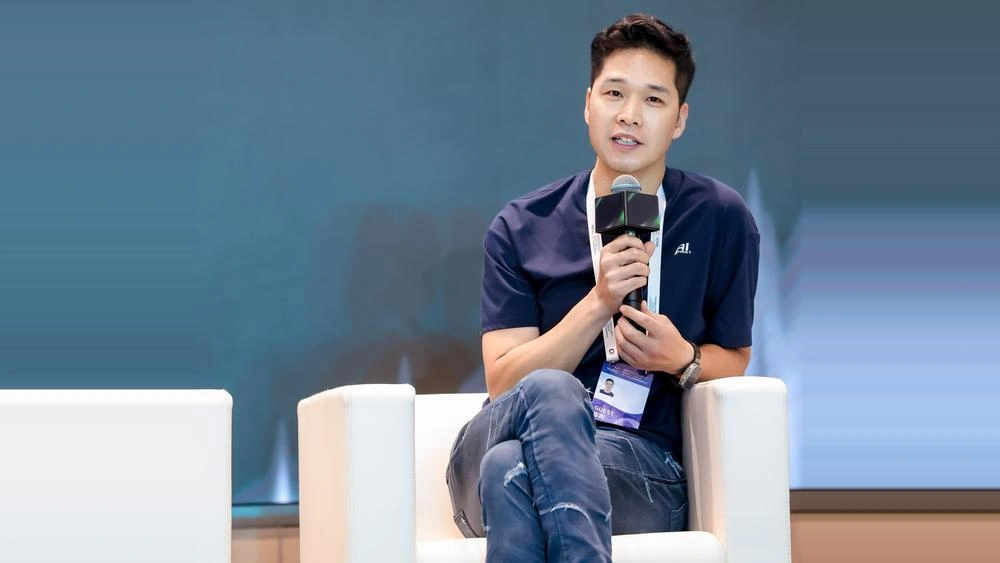
“We need to find the fastest-moving AI Native companies and stay close to them, remain in sync with the industry’s most advanced capabilities,” said Fei Pan.“That in itself is one of the ways BlueFocus accelerates its own transformation.”
Management views this transition as an organizational challenge rather than just a technical one. To encourage adoption, the company allows employees to use global AI tools with reimbursed expenses. Pan noted that the highest individual reimbursement last year was over USD 43,978. Additionally, BlueFocus has invested in six AI-native companies to keep pace with the fastest developments in the field.
The Shift to Globalization 2.0
The company’s second major priority is what they’re calling “Globalization 2.0.” Outbound advertising in 2025 reached USD 8.282 billion, which constitutes more than 80% of their overall income. But the management has gone beyond focusing on increasing figures. They aim to create a more balanced structure in terms of profitability with the help of a “5-3-2” model. Their long-term goal is to split their outbound business this way: 50% from leading media platforms, 30% from mid-tier players, and 20% from their own self-built traffic and tech platforms like Blue X and Blue Turbo.
To get there, they are scaling up from seven overseas offices to a goal of 10 to 20, with plans to reach into Southeast Asia, Latin America, Europe, and the U.S. This is really about becoming a more local player rather than just relying on access to big-name platforms. By weaving AI into their global operations, they’re leveraging its speed in language and localization to make international expansion feel seamless. Essentially, they are treating these global markets as the perfect training ground for their new model.
Want more marketing excellence stories? Visit MarTech News for insights, trends, and expert updates.
News Source: PRNewswire.com